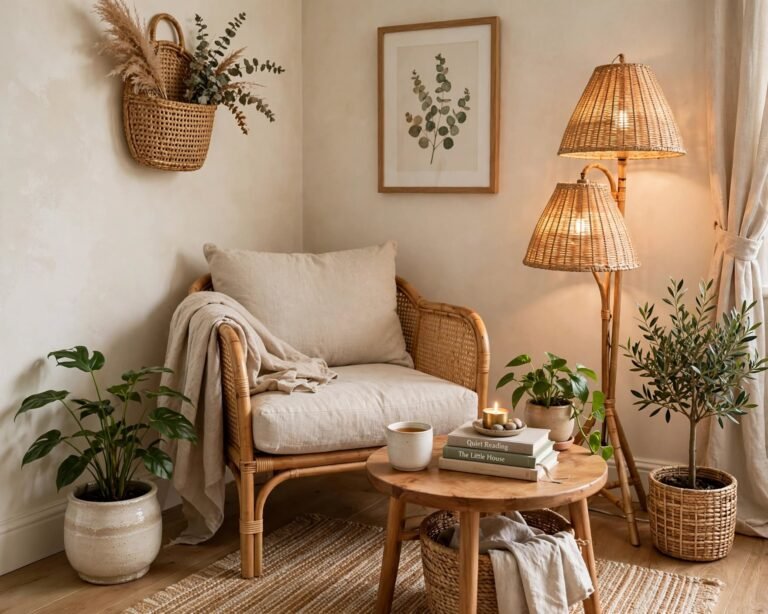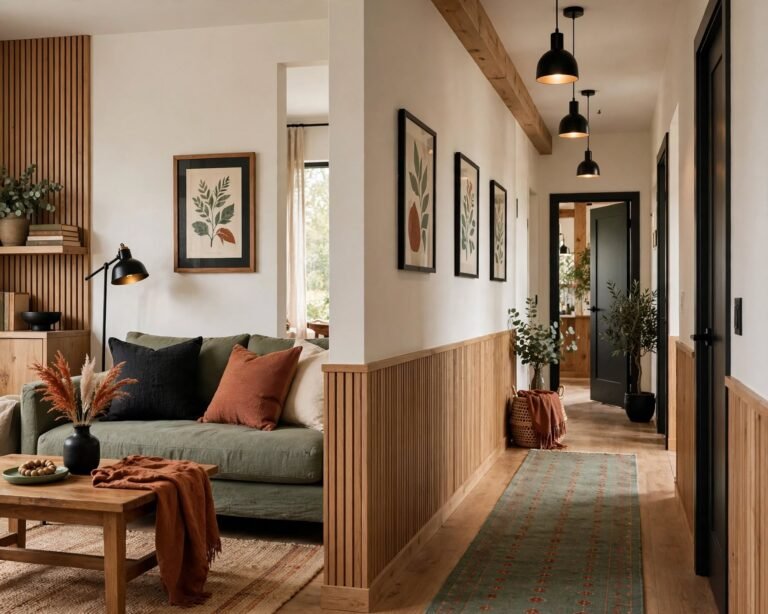
A stylish home does not need more stuff. It usually needs a few better choices.
Good home interior design is often about finding the pieces that give a room direction—a rug that grounds the space, artwork that adds personality, lighting that changes the mood, or one interesting piece of furniture that makes the room feel less generic.
You do not need to redesign everything at once. A few thoughtful updates can completely change how a room feels.
Here are some of the easiest ways to make a space feel more stylish, personal, and put together.
Start With One Piece You Really Love
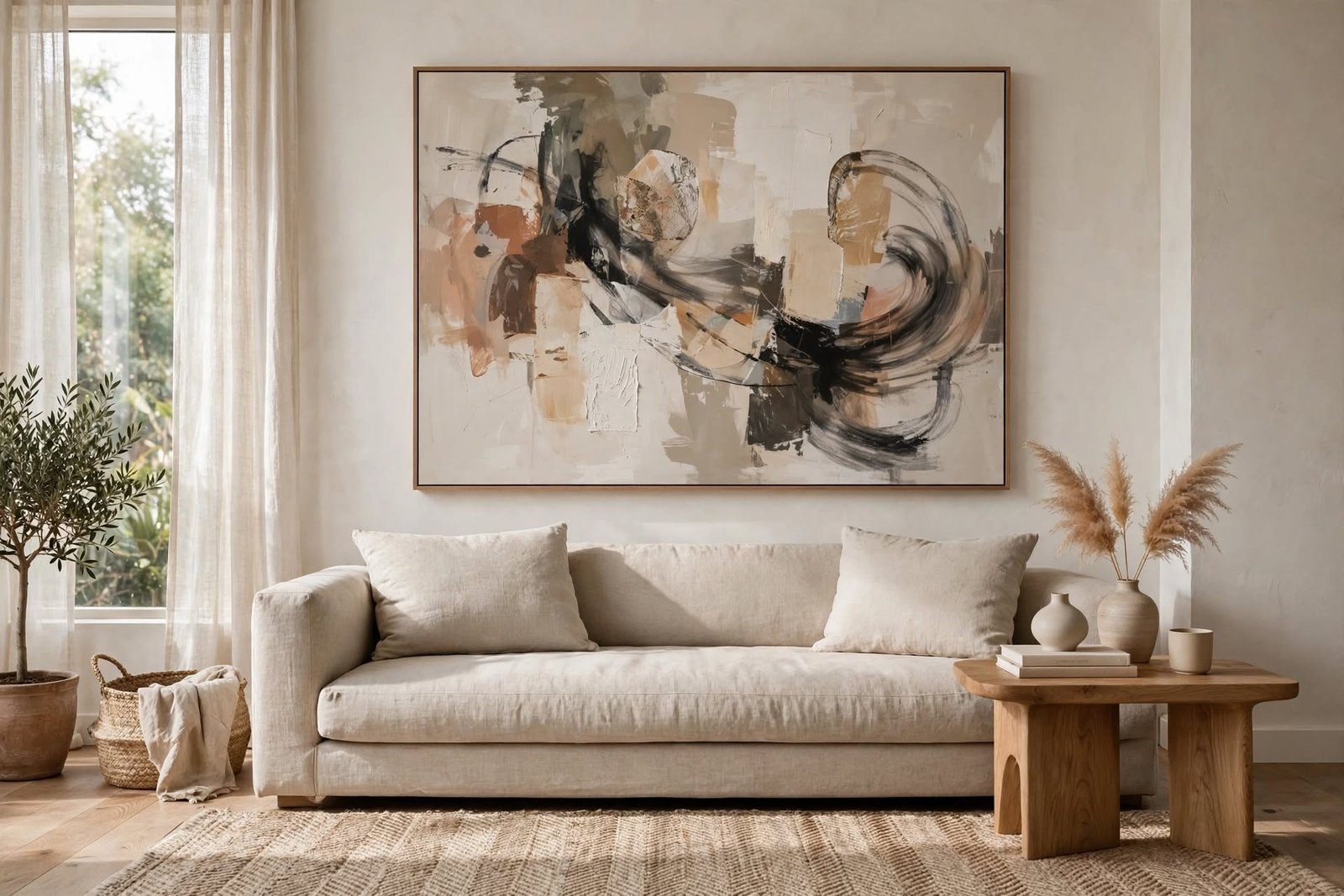
One of the easiest ways to give a room direction is to start with one strong piece.
It could be a large artwork, a patterned rug, an interesting chair, or a statement lamp.
Once you have that anchor, the rest of the room becomes easier to build. You can pull colors from the artwork, repeat tones from the rug, or keep the surrounding furniture simple so one piece can stand out.
This is often easier than trying to design an entire room from scratch.
If a space feels bland, ask yourself what deserves to be the main character.
Warm Up the Room With Better Lighting
Lighting can change a room faster than almost anything else.
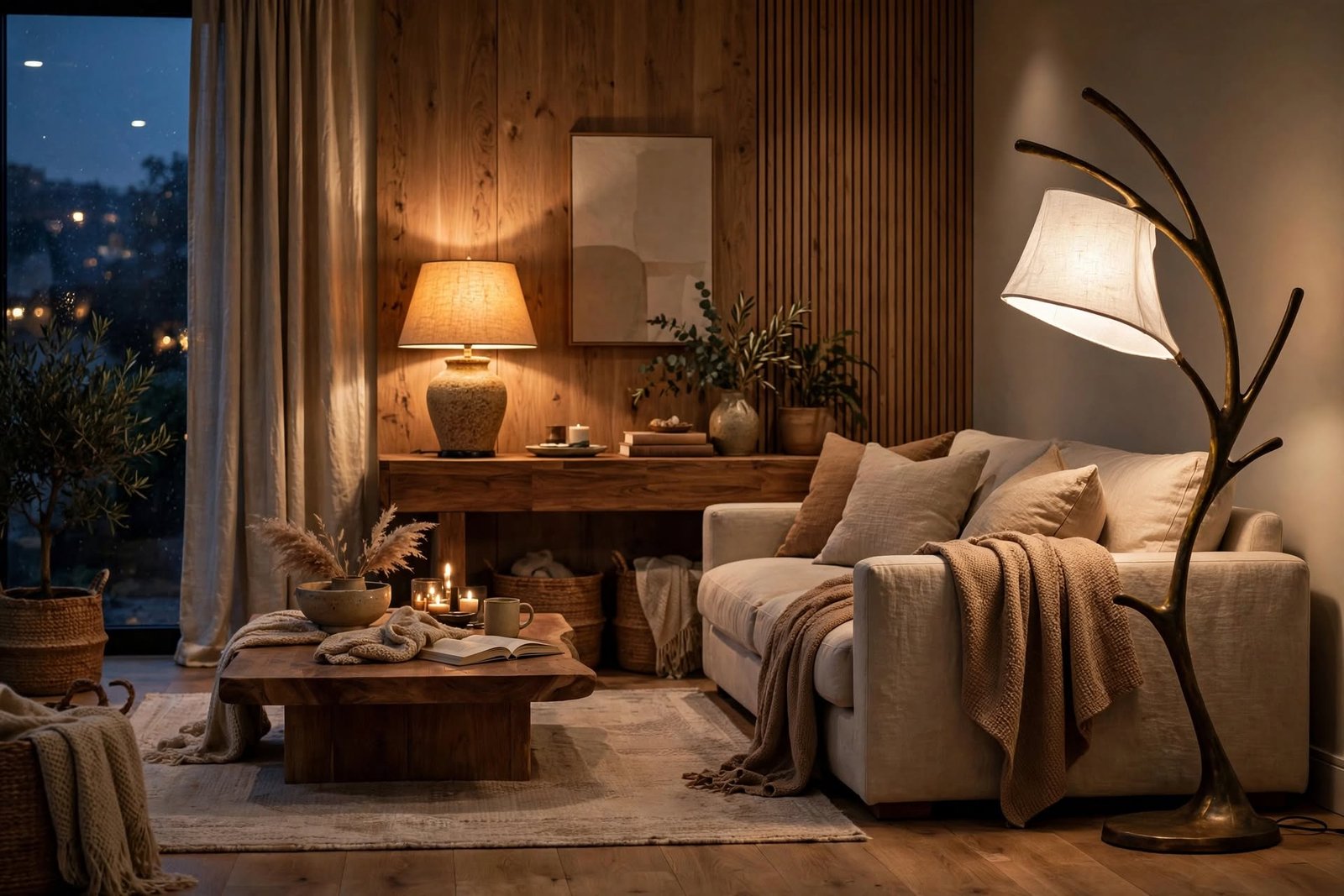
A single bright ceiling light often makes a space feel flat. Adding a floor lamp beside a sofa, a table lamp on a console, or a pendant above a dining table instantly creates more depth.
Warm lighting also makes materials like wood, linen, and textured fabrics feel richer.
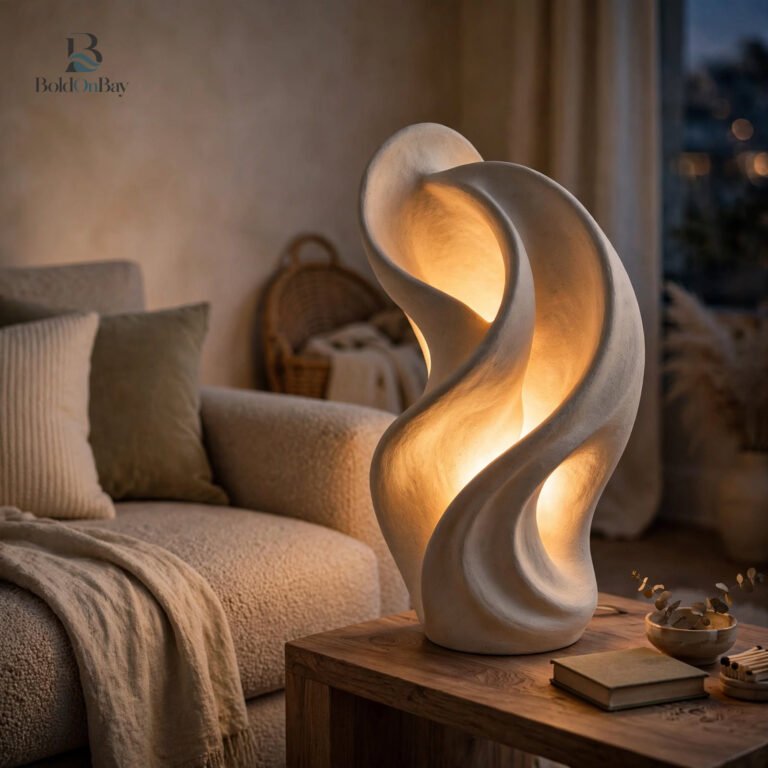
Look for lamps that are attractive even when they are turned off. A sculptural base, interesting shade, or simple modern shape can work almost like decor.
You are solving a practical problem and adding style at the same time.
Use a Rug to Pull Everything Together
If a room feels disconnected, the rug may be the missing piece.
A rug visually connects the sofa, chairs, coffee table, and surrounding decor, which can make the whole room feel more intentional.
You do not always need a bold pattern. A textured neutral rug can add warmth without competing with artwork or furniture.
If the room already feels very neutral, a rug with color or pattern can bring in more personality.
The important thing is that it feels large enough to belong to the seating area rather than floating alone in the middle of the floor.
Let Wall Art Add the Personality
Wall art is one of the easiest ways to make a home feel less generic.
Large-scale artwork can completely change an empty wall without adding clutter to the room. It can introduce color, movement, humor, or a stronger point of view.
Try using one oversized piece above a sofa, bed, or console instead of filling the wall with lots of smaller items.
If you prefer a gallery wall, keep one thing consistent—similar frame colors, a shared palette, or a clear theme.
The goal is not simply to fill blank space. Choose art that adds something to the room.
Mix Materials So the Space Does Not Feel Flat
A room can have a simple color palette and still feel interesting.
The easiest way to do that is through materials.
Try mixing:
- warm wood
- linen
- ceramic
- glass
- metal
- woven textures
- soft upholstery
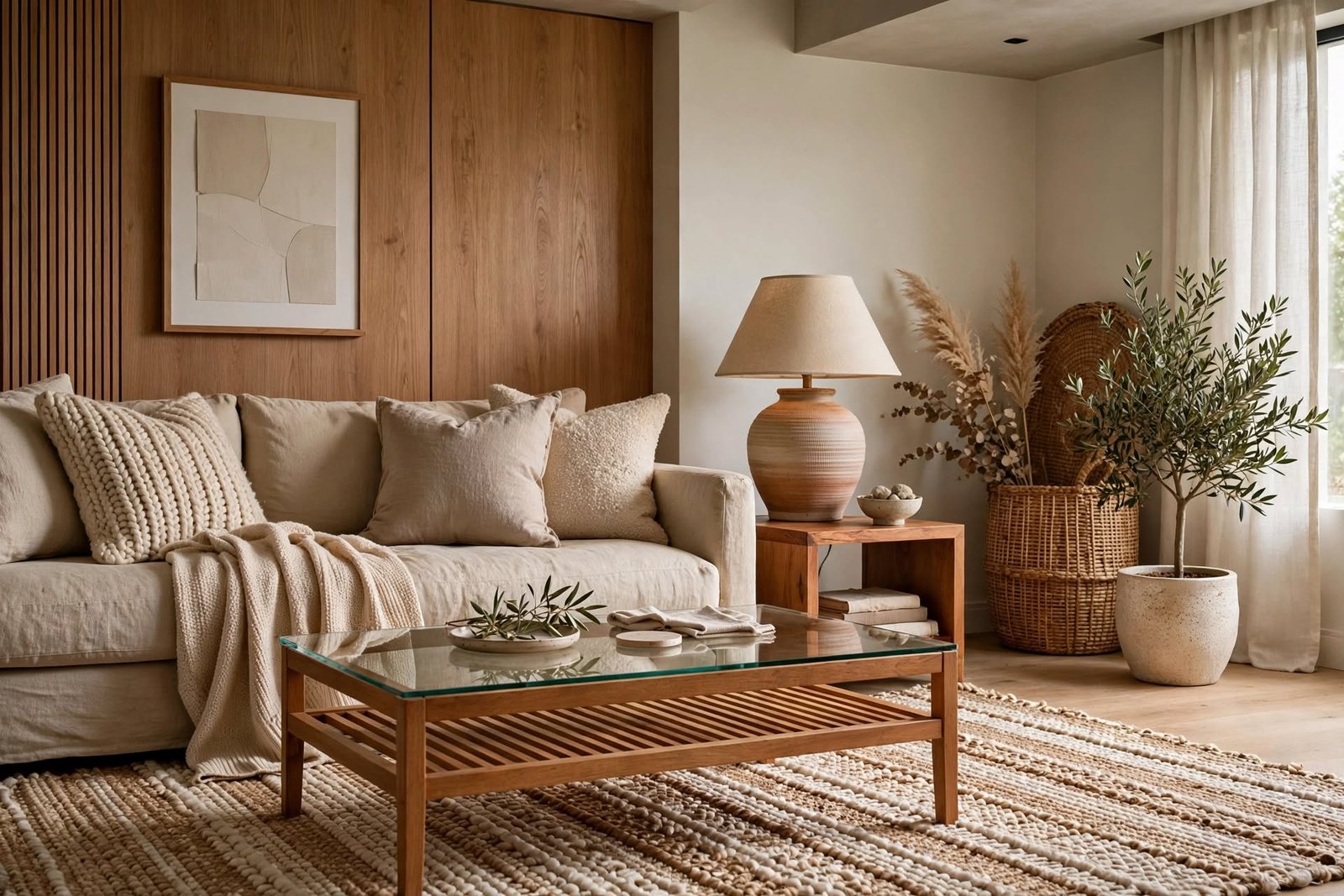
For example, a neutral sofa can feel much more layered when paired with a wood side table, ceramic lamp, textured throw, and woven rug.
You do not need more objects. You need enough variation in texture to stop the room from feeling one-dimensional.
Repeat One Accent Color
Using one accent color in a few different places is an easy way to make a room feel pulled together.
You might repeat muted green in a cushion, artwork, and vase. Or use rust tones in a rug, throw, and small decorative piece.
The color does not need to match perfectly.
In fact, slightly different shades usually make the room feel more natural.
This trick works especially well in neutral rooms because it adds character without making the space feel busy.
Add One Unexpected Piece
Rooms become more memorable when everything is not completely predictable.
Try adding one piece that feels slightly different from the rest:
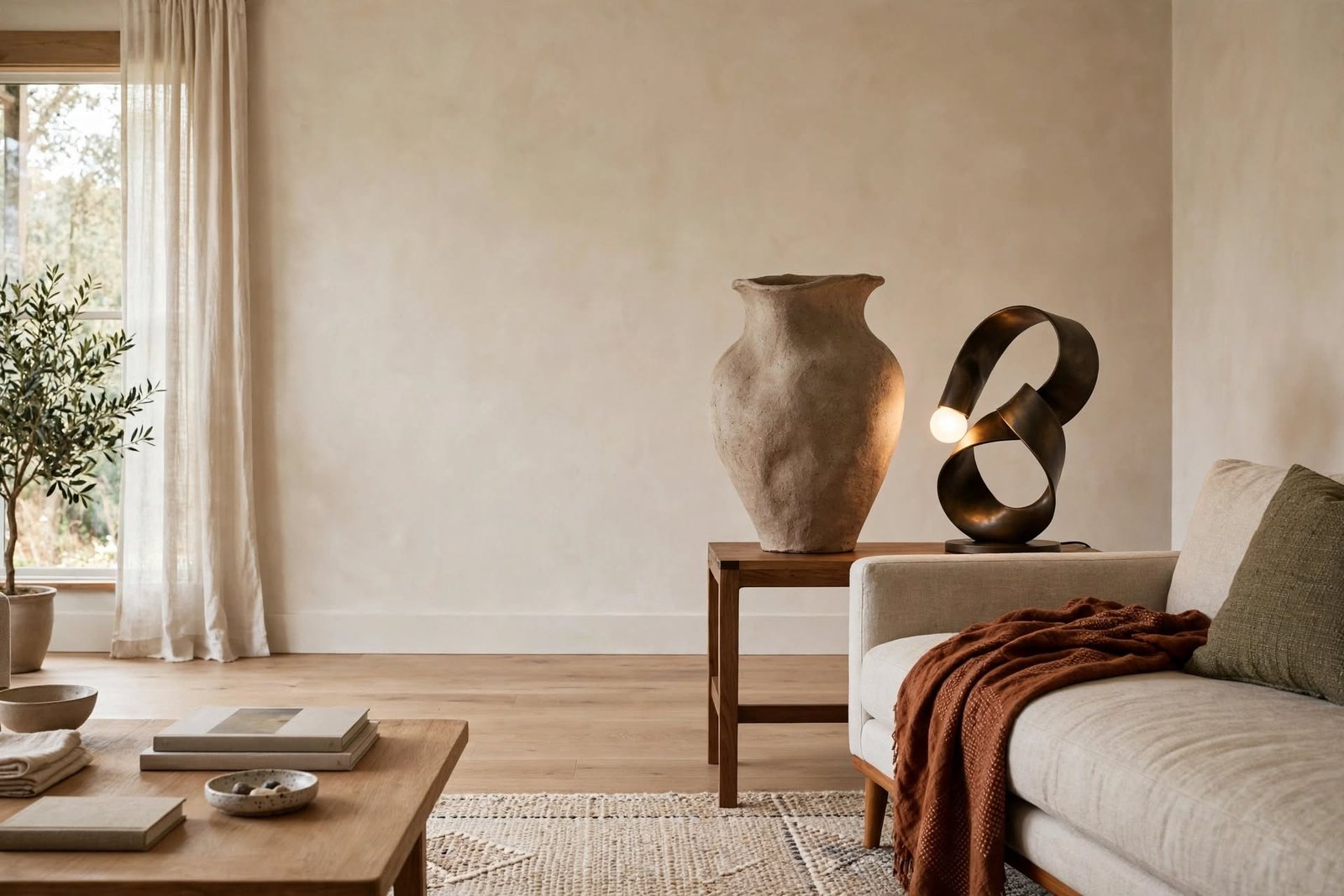
- a sculptural lamp
- a vintage-style mirror
- an unusual side table
- a bold chair
- an oversized vase
- a piece of graphic artwork
You do not need several statement pieces competing with one another.
One is often enough.
That contrast can make a simple room feel more collected and less like it came from a single furniture showroom.
Make Useful Things Look Good Too
Some of the best home accessories are useful.
A basket can hold blankets. A tray can organize a coffee table. A shelf can display books and store everyday items. A lamp adds light while also becoming part of the room.
Choosing practical pieces that also look good helps you avoid filling the space with decor that has no real purpose.
This is especially useful in smaller homes or apartments, where every item needs to work a little harder.
Look for pieces that solve a problem and still contribute to the overall style.
Do Not Fill Every Empty Space
One of the easiest ways to make a room look more considered is to stop before everything is full.
You do not need artwork on every wall, furniture in every corner, or objects on every surface.
Leaving some empty space gives stronger pieces more impact.
A beautiful lamp looks better when it is not surrounded by ten small accessories. Large artwork feels more dramatic when the wall around it can breathe.
If a room starts to feel busy, try removing something before buying something else.
Create a Home That Feels Like You
The best home interior design does not come from following every trend or buying everything at once.
It comes from choosing pieces that work together and make the room feel more personal.
Start with one strong piece. Add better lighting. Use a rug to ground the room. Bring in artwork, texture, and one or two unexpected details.
Then stop before the space becomes crowded.
A stylish home does not need to look perfect.
It just needs enough personality that it feels like someone actually lives there—and loves the way it looks.